Natural And Historic Treasures Of Lahemaa
Lahemaa National Park is the oldest and largest park in Estonia, located on the southern shore of the Gulf of Finland, and famous for its diverse ecosystems, rich biodiversity, and cultural heritage. The name translates to “Land of Bays,” reflecting the park’s stunning coastal landscape, which includes four large peninsulas separated by four bays. The park is also home to a variety of wildlife.
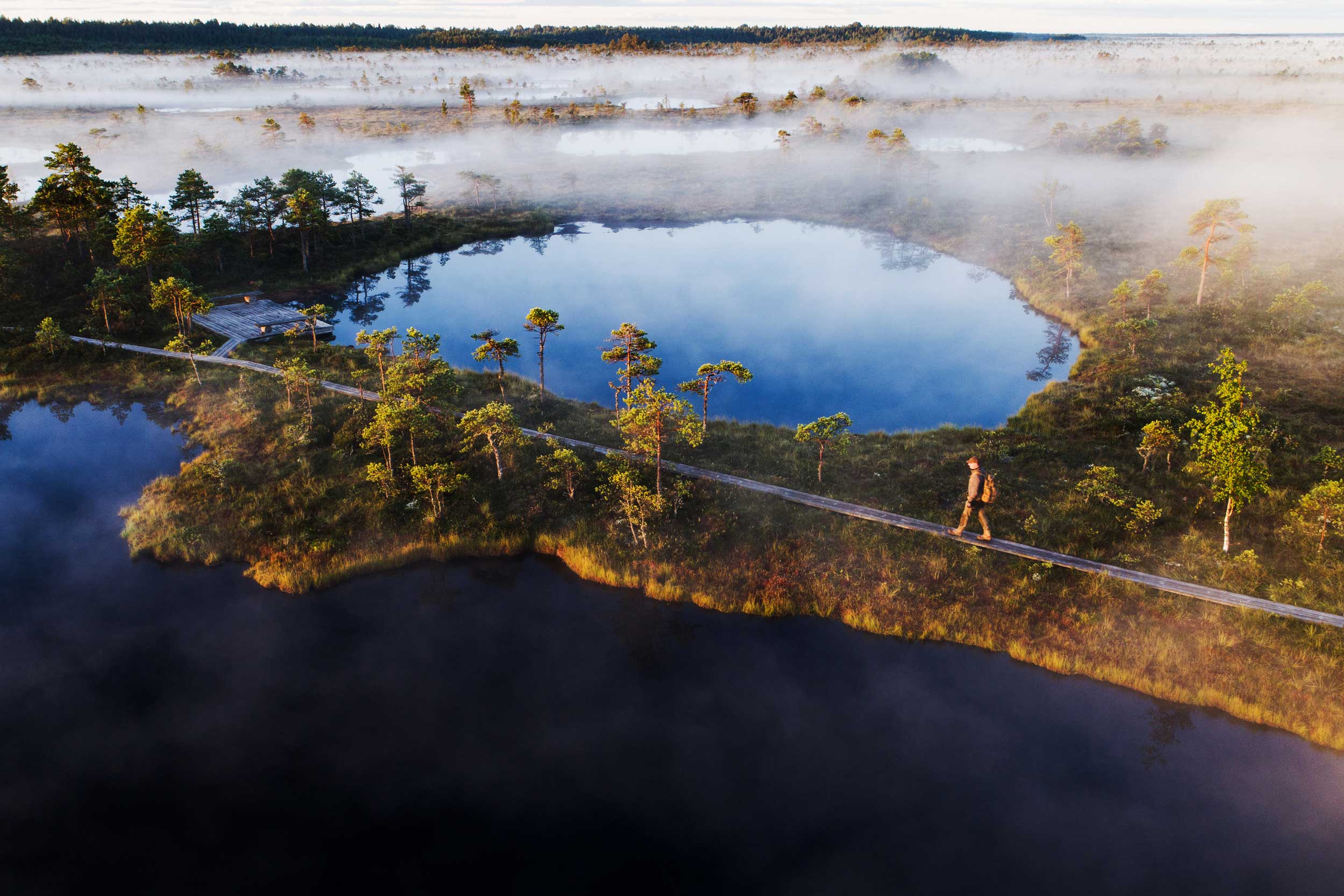
Kick off your adventure with a hike through the Viru bog. The well-maintained wooden trail will guide you over serene bog pools to an observation tower, offering breathtaking views. Don’t miss the former peat digging fields along the way!
Next, step back in time at Sagadi Manor. This 500-year-old estate, once owned by a Baltic German family, is now a hub for cultural and natural education. Explore the manor museum to learn about the lives of Baltic Germans, visit the forest museum, and unwind at the hotel and restaurant. A stroll through the romantic manor garden, complete with a picturesque pond, is a must!
Continue your journey to Palmse Manor, where the carefully preserved interior reflects the grandeur of 18th and 19th-century noble life. The ground floor, with its high ceilings and elegant parlours, offers a glimpse into the opulent lifestyle of the local aristocracy.
Finally, enjoy the simple charm of Altja Fishing Village. This quaint seaside village is typical for this area, featuring all houses lined along a single street. Visit the restored coastal farms, and check out the fishing net sheds, reconstructed based on old photographs and villagers’ memories.
Haapsalu Highlights
Start your journey with a scenic drive to Haapsalu, which is approximately 100 km from Tallinn. This calm and friendly small town is known for its long-standing history as a spa resort and nowadays hosts a number of international festivals. Take your time to explore the narrow streets, admire the miniature town hall, and the romantic wooden dwelling houses that give Haapsalu its unique charm. One of the highlights of the town is the seaside promenade, where you can find Kuursaal, one of the finest wooden buildings in Estonia. The promenade offers stunning views of the sea and is perfect for a leisurely stroll.
Visit Haapsalu Castle, an architectural gem built in the 13th century. The castle served as the seat of power for local authorities for many centuries. Nowadays it is one of the best-preserved castles in Estonia and is housing a museum on medieval history. It also provides access to the stunning southern cathedral. Keep an eye out for the most famous ghost in Estonia, the White Lady!
In the afternoon, head to the Nõva Recreation Area for a refreshing hike. This lowland Nature Reserve area covers vast bog plains, forests and beaches, and was established to protect the coastal landscapes and their biodiversity. The lakes are surrounded by high coastal dunes, creating a unique and picturesque scenery. During the hike you can enjoy the tranquillity and beauty of the area.
After your hike, travel to Padise Monastery, constructed by the Cistercians over a period of 200 years. Recently the monastery has undergone thorough restoration and now is open to visitors again. Learn about the Cistercians and their way of life as you wander through the halls echoing tales from the past.
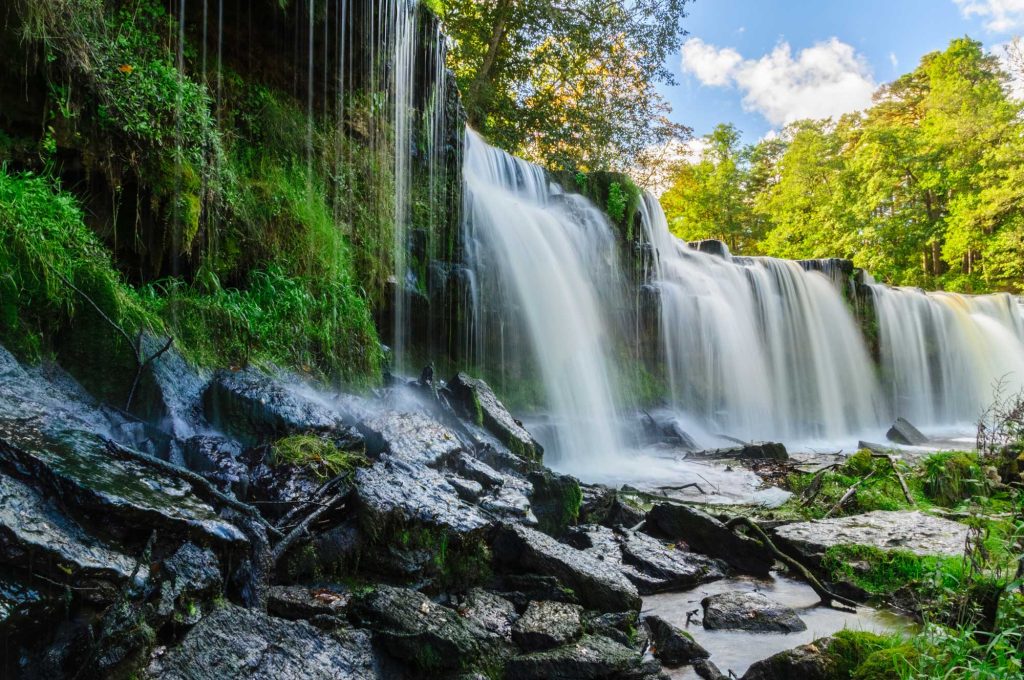
End your day with a visit to Keila Waterfall, the third largest waterfall in Estonia. To reach the waterfall, walk down the road along the riverbed, crossing two suspension bridges. The stunning views and serene environment make it a perfect spot to relax and reflect on your day.
From Rural Roots To Modern Marvels
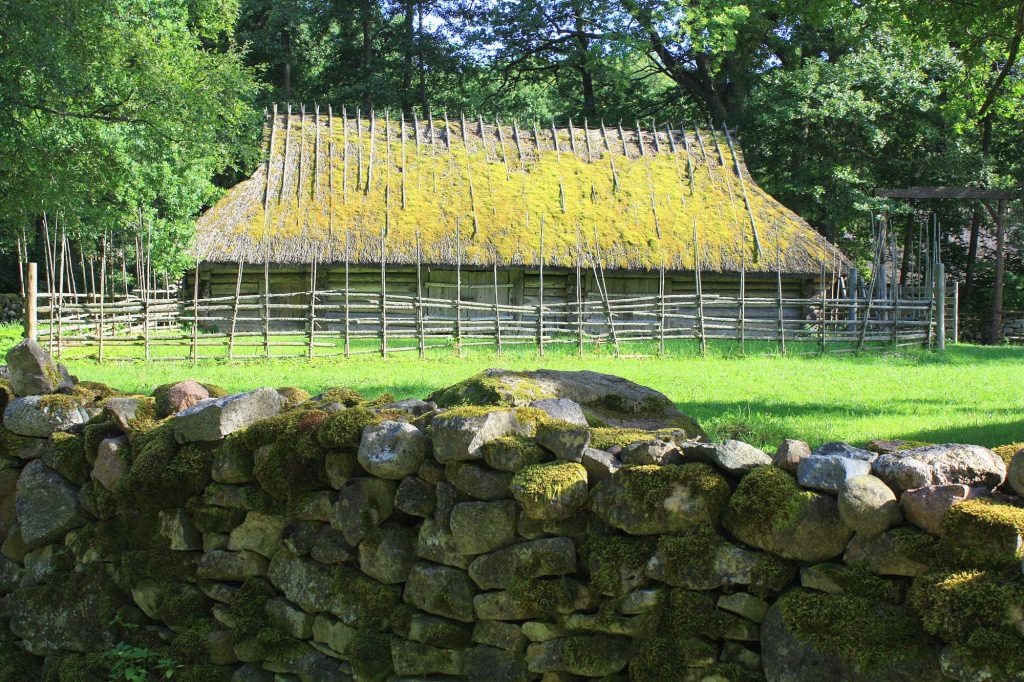
Start your day with a visit to the Estonian Open Air Museum, a wonderful place to enjoy the outdoors while learning about the country’s history and traditions. Located just outside the city, this fascinating museum offers a life-sized reconstruction of an 18th-19th century rural village. Visitors can explore over 80 buildings, including farmsteads, a church, a schoolhouse, mills, and a tavern that showcase different aspects of Estonian vernacular architecture and rural culture. The museum also features a Soviet-era kolkhoz apartment building and a modern prefabricated wooden house, providing a comprehensive overview of Estonia’s architectural evolution. Throughout the year, the museum hosts various events, workshops, and demonstrations, offering an immersive experience into Estonia’s cultural heritage.
Continue to Paldiski military town, visiting St. George Orthodox Church on the way. Throughout history, Paldiski has always been an important military city as well as a commercial port. During the Soviet occupation, Paldiski was a strictly closed military zone because of the nuclear submarine training centre, equipped with a mock-up of a nuclear submarine.
Stop by Pakri lighthouse, the tallest lighthouse in Estonia, standing on the edge of a high limestone rock and marking the water’s edge of a very important shipping lane along the northern coast. Also the cliff itself is unique in Europe with bare Paleozoic strata.
Visit Rummu quarry, undoubtedly one of the most unusual places is Estonia. For many years Rummu quarry was used as a limestone mining site. Most of the workforce came from among the detainees of the nearby prisons. After Estonia regained independence, the mining was stopped and water level rose so fast that it quickly submerged not only the large industrial excavator and other equipment but also the territory of the former vocational school and industrial complex. Now, these make up for a unique underwater museum which can be seen thanks to the extremely transparent water, making it a perfect destination for divers, photographers and other adventurers. The site is a perfect backdrop for different events and has been depicted in films and music videos.
Round up your day with cider tasting at a local Cider House, a historic farm with roots dating back to the Middle Ages, where organic cider is produced in the traditional way. After the tasting, let someone drive you back to Tallinn while you are singing Estonian folk songs all along the way.
Pärnu And Beyond
Enroute to Pärnu stop at the “Little Russia” farmyard. This farm with a long and interesting history is a small piece of Russian culture, located in the middle of Estonia. The owners wish to show their visitors genuine Russian folk culture and its traditions. You will see Russian folk costumes from various regions, traditional household tools and a collection of samovars. The house is equipped with an authentic Russian oven and a high, lace-like fence.
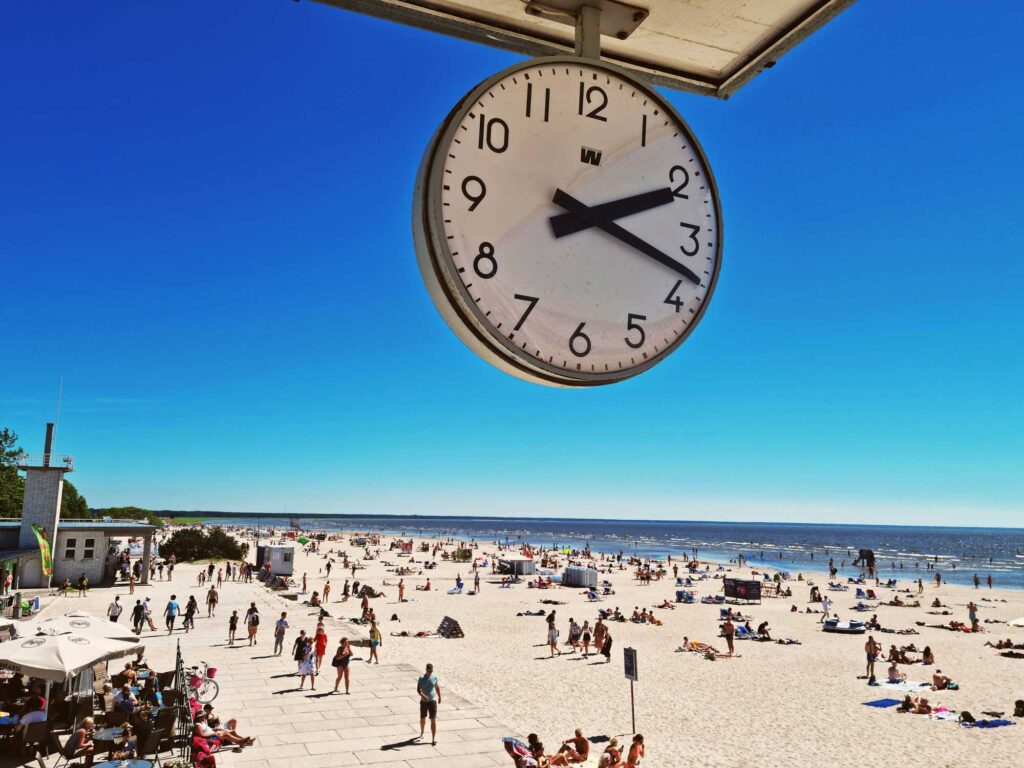
Pärnu, often referred to as Estonia’s “summer capital,” is a charming resort city on the Baltic Sea coast, and has been a popular spa destination since the 19th century, attracting visitors with its therapeutic mud treatments. Nowadays Pärnu is the largest resort town in Estonia and has the most popular beach of the country, offering a range of outdoor activities, including minigolf, playgrounds, and surfing. One of the most popular spots, especially in summer, is the Beach Promenade. The cozy Old Town is another highlight, featuring charming wooden houses and historic buildings like the Town Hall, the Red Tower and the Tallinn Gate. Stroll through the town and explore its highlights. Visit Villa Amende, one of the best examples of early Art Nouveau style in Estonia. This wonderful gem of architecture, built 1905, features lavish interiors, rich in detail.
On the way back to Tallinn, visit an authentic Cider Farm, where the current owners, inspired by the experiences of their ancestors, still value the local fruits and berries very highly, and turn them into wine and cider. During the tour you will visit a genuine Nordic vineyard, learn the secrets of organic cultivation of fruit trees, and the process of turning raw materials into cider and wine. The highlight is an old feral apple tree whose golden apples give the unique taste to the cider. The tour is followed by a workshop introducing you to an important part of producing cider in the traditional champagne method. The tour ends with cider tasting experience.