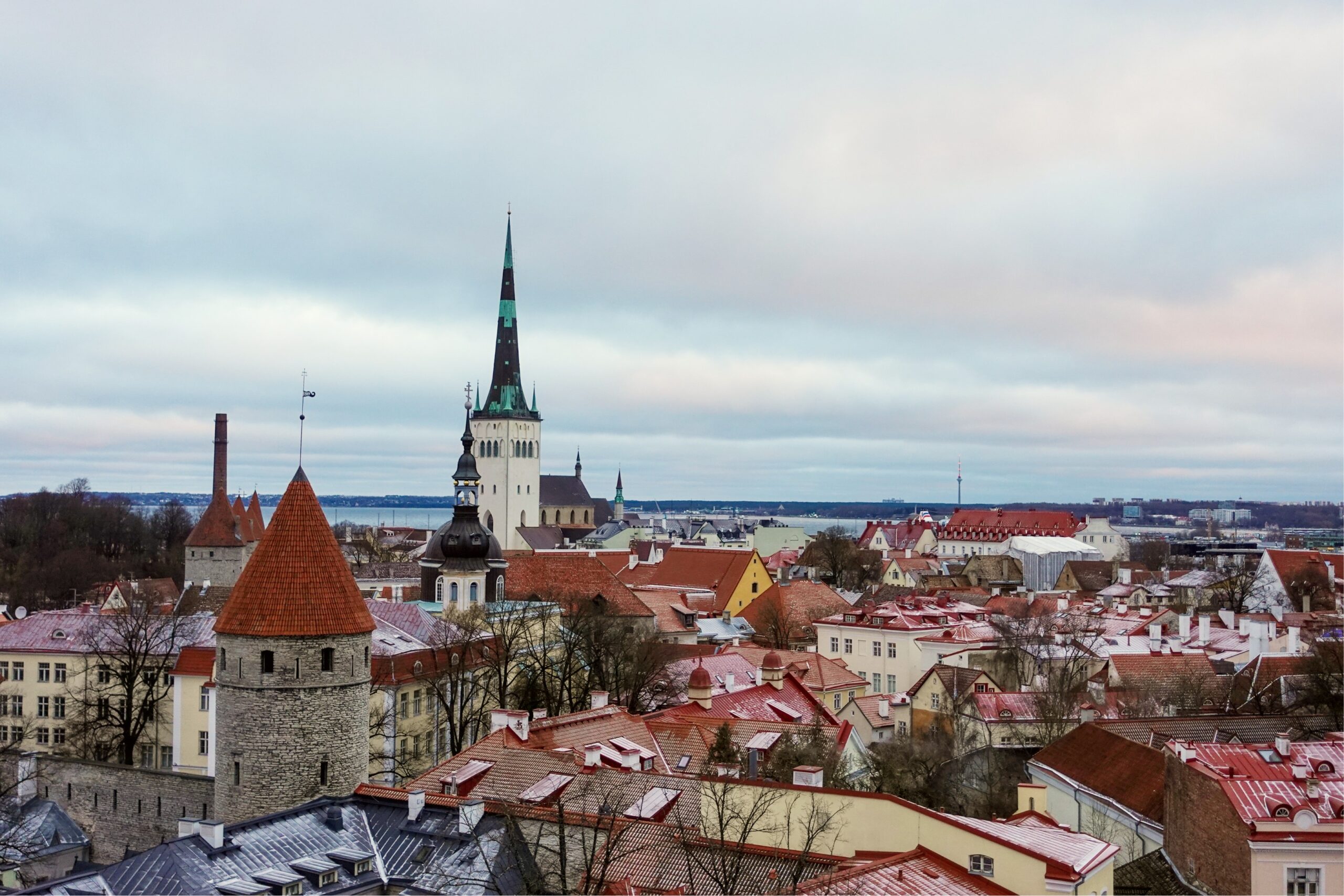
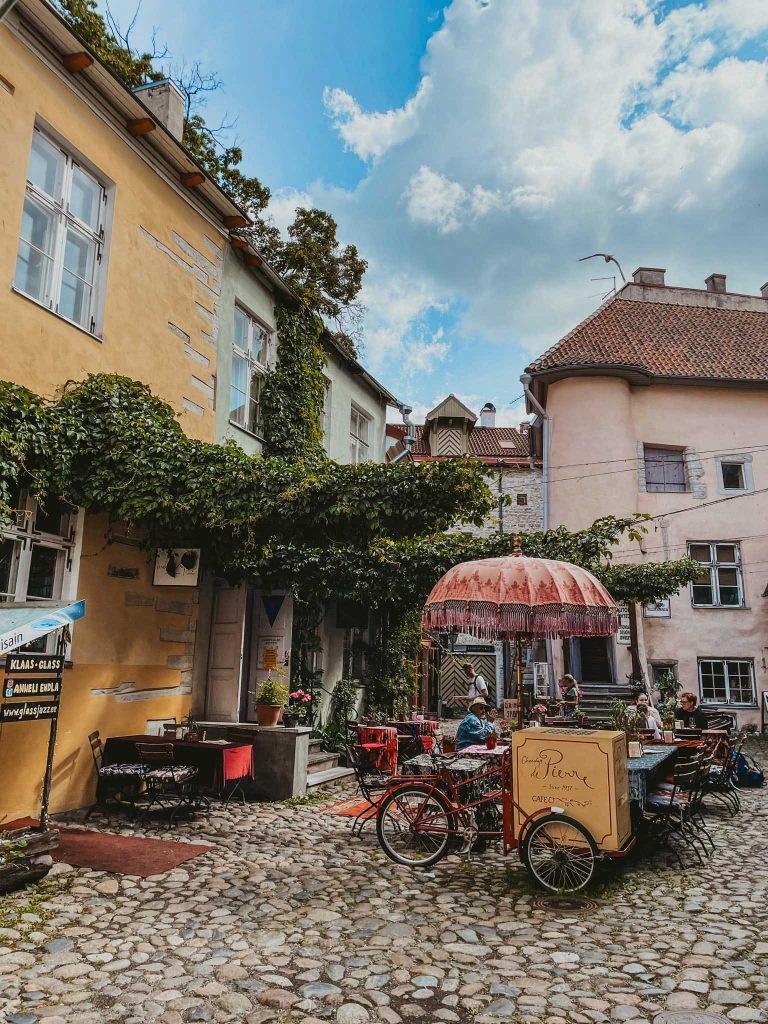
If you are a first-time visitor to the Estonian capital Tallinn, start with exploring the Old Town. Renowned for its well-preserved fortification wall and medieval architecture, cobblestone streets, picturesque squares and hidden courtyards, Tallinn Old Town feels like stepping back in time. This UNESCO World Heritage Site is dotted with historic highlights including the Gothic Town Hall, the Guild House, the Holy Ghost Church boasting the oldest public clock, and the St. Olaf’s Church, once the tallest building in the world, offering stunning views of the city from its tower. In between the colourful merchants’ houses you might spot the oldest still functioning pharmacy that still tells the story about some rather odd medicines of the medieval times, the marzipan museum, and many cafes that invite you to sit down and refresh.
Heading to Upper Town, stop on the viewing platforms for breathtaking panoramic views of Tallinn. It’s the perfect spot to capture the city’s skyline, with its mix of medieval and modern buildings. Visit the medieval Dome Church, the Danish King’s garden, and marvel at the medieval city wall with its different types of fortification towers.
Just a short walk from the Old Town, the bustling Balti Jaam market offers a variety of goods, from fresh produce and local delicacies to handmade crafts and antiques. Located in restored industrial buildings with a modern twist, the market is a great place to experience local culture and try some traditional Estonian foods. Behind the market is a former industrial complex known as Telliskivi Creative City. This whole area has been transformed into a buzzing cultural hub, with art galleries, boutiques, cafes, restaurants, and their very own gin distillery. Featuring plenty of street art, Telliskivi is an ideal place to explore contemporary Estonian art and design.

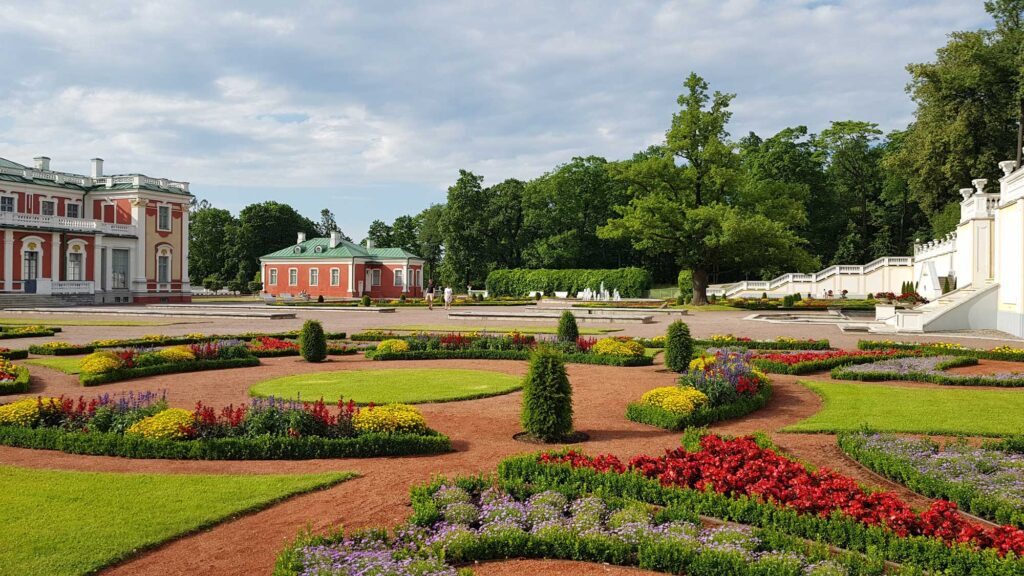
Kadriorg is a picturesque suburb in Tallinn, known for its elegant wooden architecture, lush greenery, and cultural landmarks. Kadriorg is home to the Presidential Residence and several museums, making it an interesting combination of historical significance, natural beauty, and artistic heritage.
The baroque Kadriorg Park with beautifully landscaped gardens, serene ponds, and tree-lined pathways was established by Peter the Great in the early 18th century. Within the park lies the opulent Kadriorg Palace, built by Peter the Great for his wife Catherine. The palace now houses the Kadriorg Art Museum, which features a collection of European and Russian art.
Just a short walk further is the KUMU Art Museum, one of the largest art museums in Northern Europe and a key branch of the Art Museum of Estonia. KUMU showcases Estonian art from the 18th century to contemporary works, including pieces from the Soviet era. The museum’s modern architecture, designed by Finnish architect Pekka Vapaavuori, and set harmoniously into the limestone slope of Lasnamäe hill, is a highlight on its own.
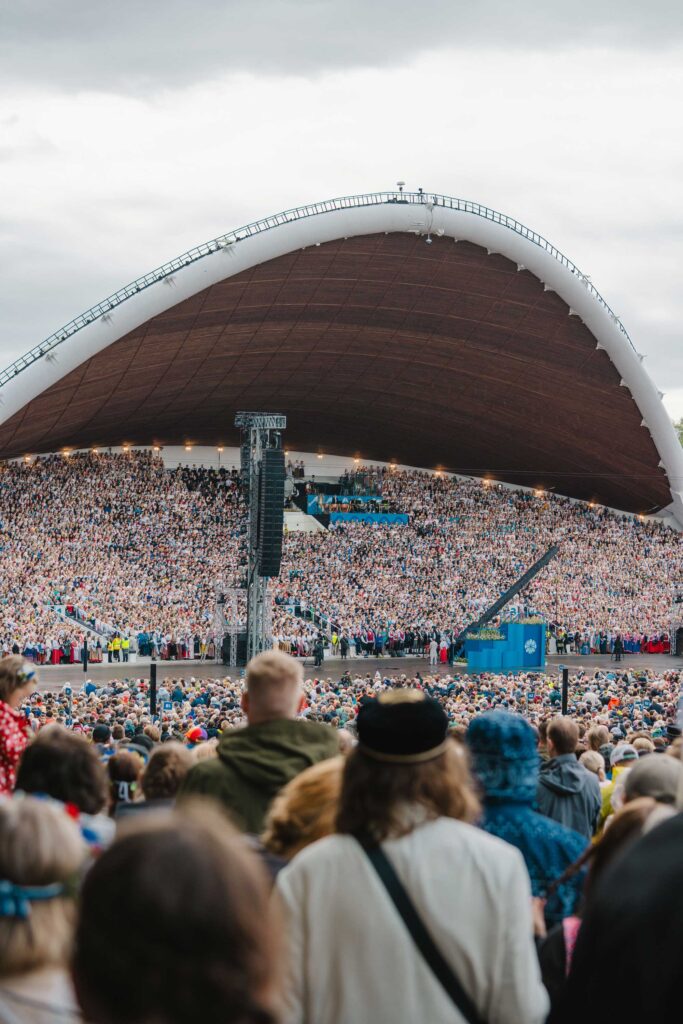
Close by are the Tallinn Song Festival Grounds, famous for hosting the Estonian Song Festival, a major cultural event held every five years. The site played a significant role in Estonia’s Singing Revolution, where thousands gathered to sing patriotic songs, contributing to the country’s independence movement. For Estonians it is still a place of deep national pride and historical importance.
Located just a few kilometres from the city centre, the scenic Pirita district is known for its beach, being the largest in Tallinn and attracting large crowds in summer. Pirita is home to the Tallinn Botanic Garden, which offers a rich variety of plant species and hosts numerous events throughout the year. History enthusiasts can explore the Pirita Convent Ruins, dating back to the 15th century, and the Tallinn TV Tower, which provides panoramic views of the city. The area also features coastal pine forests, an adventure park, a yacht harbour, restaurants with stunning views, and several sites from the 1980 Olympic Games. On the way to Pirita, make a stop at the impressive Soviet Genocide Monument, dedicated to the victims of communist terror in Estonia from 1940 to 1991. This poignant memorial includes plaques bearing the names of those who perished, thematic information boards, and a virtual e-memorial, honouring the memory of those who suffered under Soviet occupation.