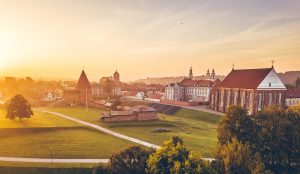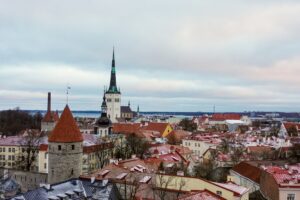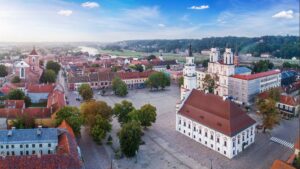
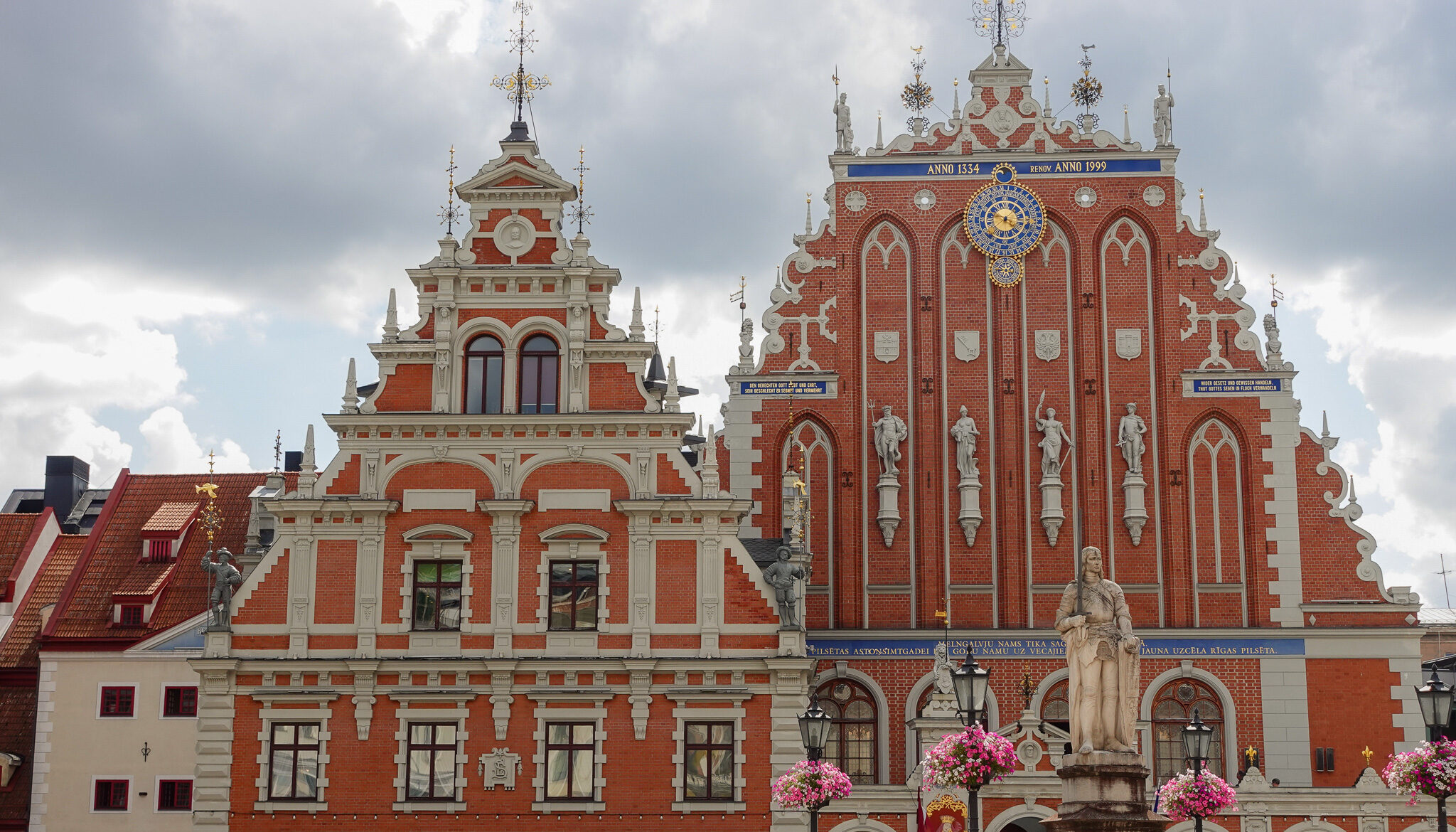
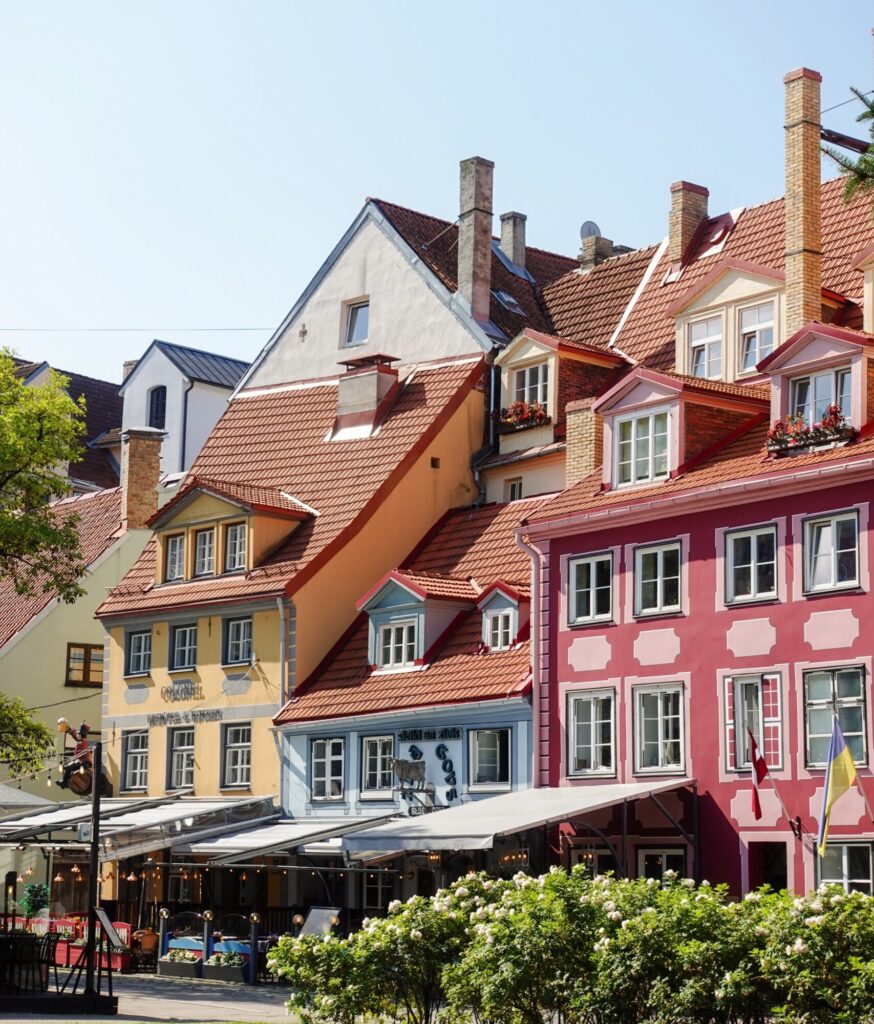
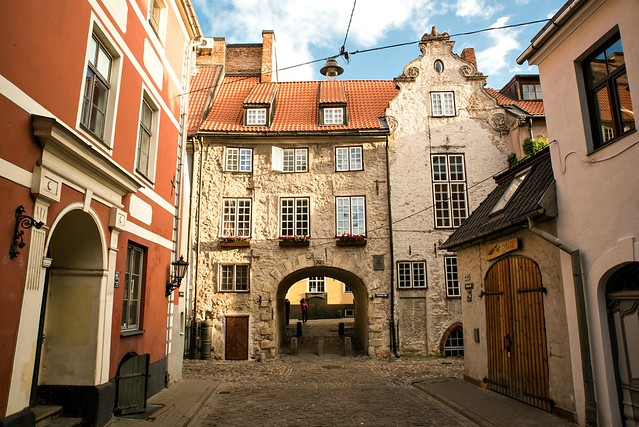
We recommend to start exploring Riga by enjoying the beauty of the ancient Hanseatic city while strolling the picturesque cobblestone streets of the Old Town. The Old Town has highly diverse architecture, and the majority of buildings have the status of a cultural monument. Visit the Town Hall square with its iconic landmark, the House of the Brotherhood of Blackheads, often referred to as the most beautiful building of Riga, and continue to nearby St. Peter’s church – a significant 13th century Gothic architectural monument of national importance and the tallest church in Riga. Just around the corner is the Dome square, named after the Dome Cathedral that boasts one of the world’s largest pipe organs built in late 19th century. Go for an organ concert in the Dome Cathedral or add some extravagance to your holiday and order a private organ concert just for yourself! Further take the chance to see other historical monuments like the Swedish Gate, Small and Great Guild Houses, the architectural ensemble Three Brothers, and others, all surrounded with captivating legends and stories from the past.
Take a rest during your city sightseeing to taste the Riga Black Balsam, one of the most valued local spirits and the most typical gift to bring home from Latvia. The Riga Black Balsam was invented in Riga in mid-18th century. According to legend, this potion cured the Empress Catherine the Great of Russia, who fell ill during her visit to Latvia. Riga Black Balsam is made using a single-barrel infusion technology. Barrel by barrel botanicals are infused in the spirit-water; a mix to create a so-called “Riga Black Balsam essence”. After that, the essence is blended with the rest of the ingredients and bottled in ceramic bottles. The drink has a characteristic slightly bitter-sweet taste and is still considered healthy as digestive or as a part of a cocktail or hot winter drink.
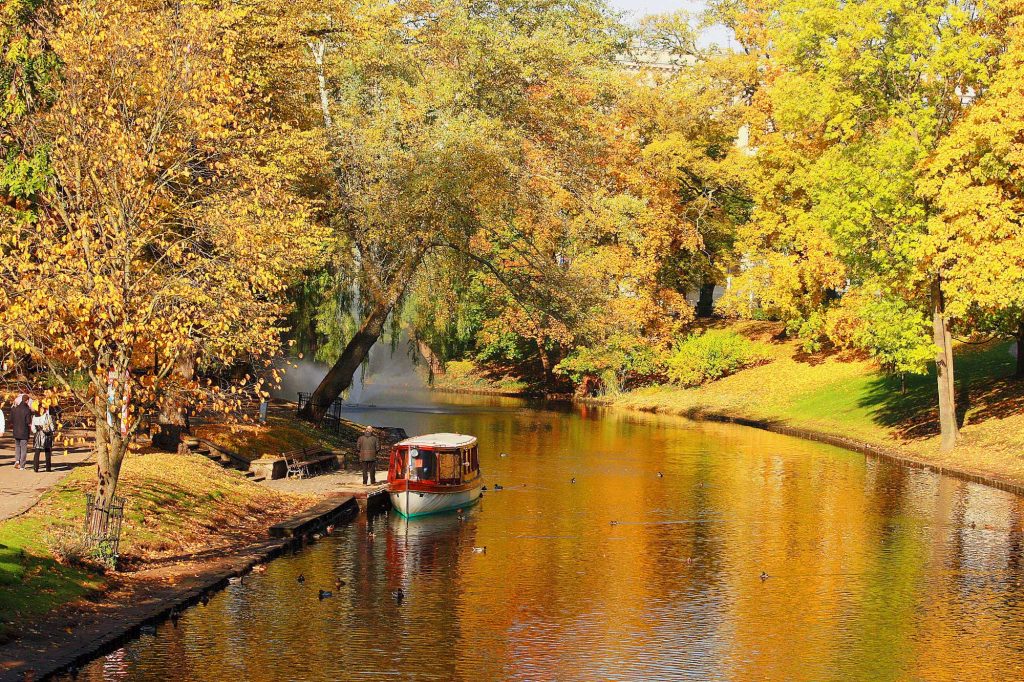
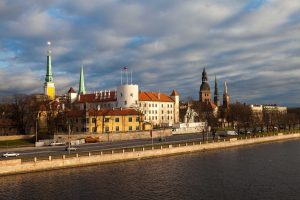
As a more chilled-out way of sightseeing you can opt for the canal boat and Daugava river tour. During your journey along the City Canal, you will enjoy delightful views of the central parks, the Freedom Monument, the Latvian National Opera, and Riga Central Market. Upon entering the River Daugava, the TV Tower and National Library building come into view, as well as the iconic panorama of the Old Town with the historic church towers and Riga Castle, nowadays the office of the President of Latvia.
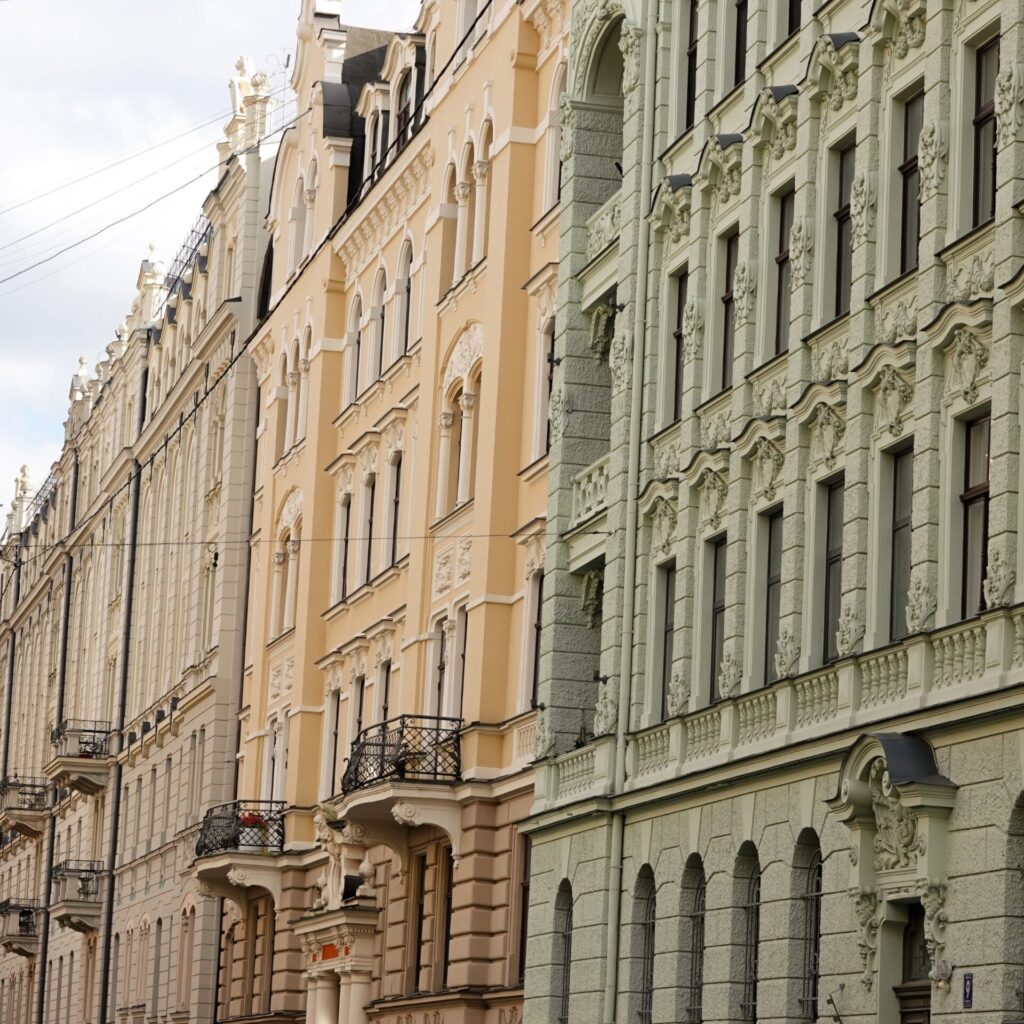
Whether you decide to get around the city on foot, by bike or segway, or even by a vintage car, don’t miss the Art Nouveau area, once home to many of Latvia’s most famous artists, writers, and scholars. See for yourself why Riga came to be known as one of Europe’s leading exponents of the late 19th and early 20th century architectural style of Art Nouveau. Riga boasts the biggest variety of Art Nouveau buildings in Europe, which are among the finest and best-preserved in the world. The Riga Art Nouveau surprises with a multitude of stylistic forms of expression. The architects’ willingness to experiment created a unique ensemble with a sense of harmony for proportions and decor. More than 800 Art Nouveau buildings can be found in Riga city centre. Visit the Art Nouveau museum, in the apartment of one of the most renowned, for a insider view into the life of the fine society during the early 20th century.
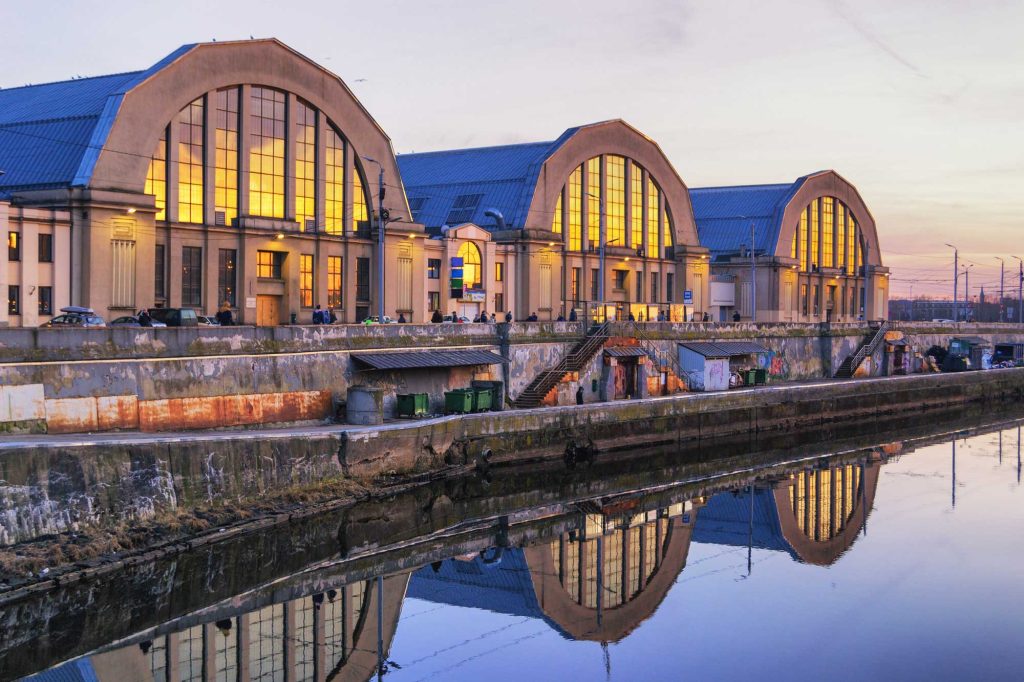
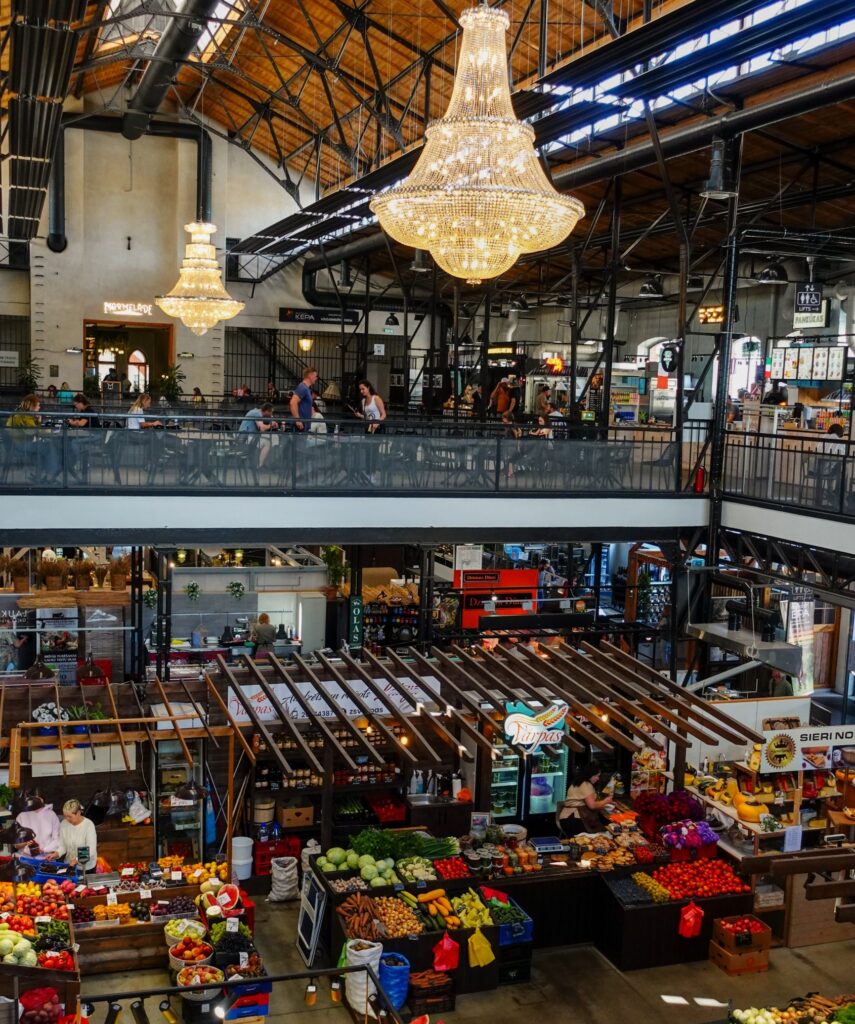
No holiday in Riga is complete without a visit to the Riga Central Market. The market is best known for its architecture of repurposed Zeppelin garages. The influences of Art Deco, Art Nouveau and Neoclassicism can be seen in the market complex. Opened 1930, Riga Central Market was the largest and most modern market in Europe, nowadays serving up to 100000 visitors every day. Take a chance to explore the most favourite shopping place of the locals, and taste some typical Latvian produce like traditional black rye bread, honey, cheese, freshly smoked fish and meat, and pickled vegetables.
Riga is also famous for its wooden architecture of the late 19th century. Historically, Riga and Latvia has always had access to high-quality timber. The excellent local craftsmanship met with the best Western architectural building traditions, resulting in a wonderful collection of wooden architecture gems. Visit some of the suburban areas to see excellent examples of wooden architecture that are meticulously restored to be fine residences or house cozy restaurants and cafes.
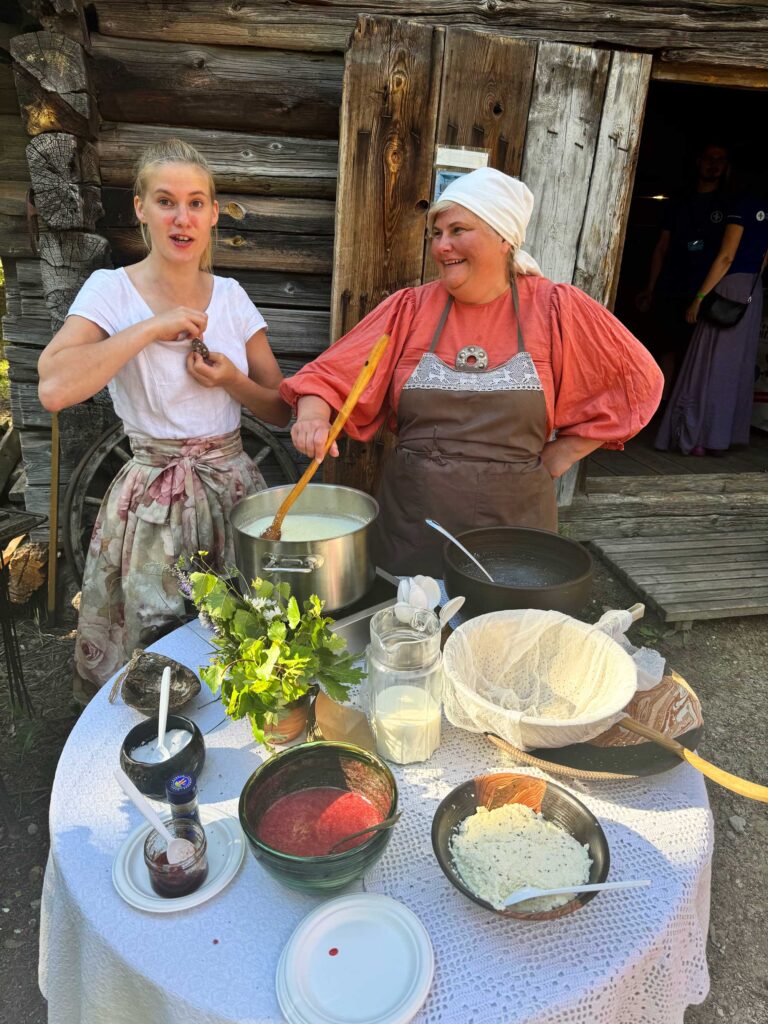
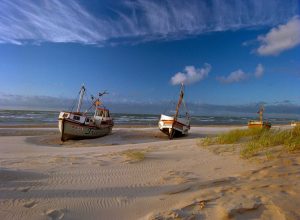
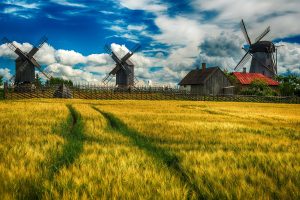
If you fancy an afternoon away from the crowds, some half-an-hour drive from the Old Town there is a magic forest where you can travel in time back to the 18th century. Located on the border of Riga city at the Lake Jugla, the Open Air museum teleports you straight into the rural life several centuries ago. Featuring almost 100 traditional countryside buildings that have been moved here from all over the country, including farmsteads, churches, windmills, and a whole fishing village, the museum gives a good insight into the differences of Latvian regions, and shows how Latvia looked like in the olden days. Take time to stroll through the forest, meet local craftsmen and learn some of the Latvian traditional craftsmanship and arts, taste Latvian traditional food or enjoy a folklore show before you return to civilization.