“Imagine, there are entire villages under the sand,” Vytautas shouted over the roar of the propane burner.
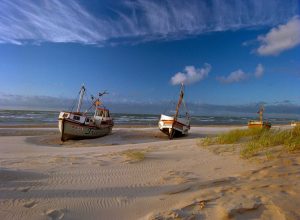
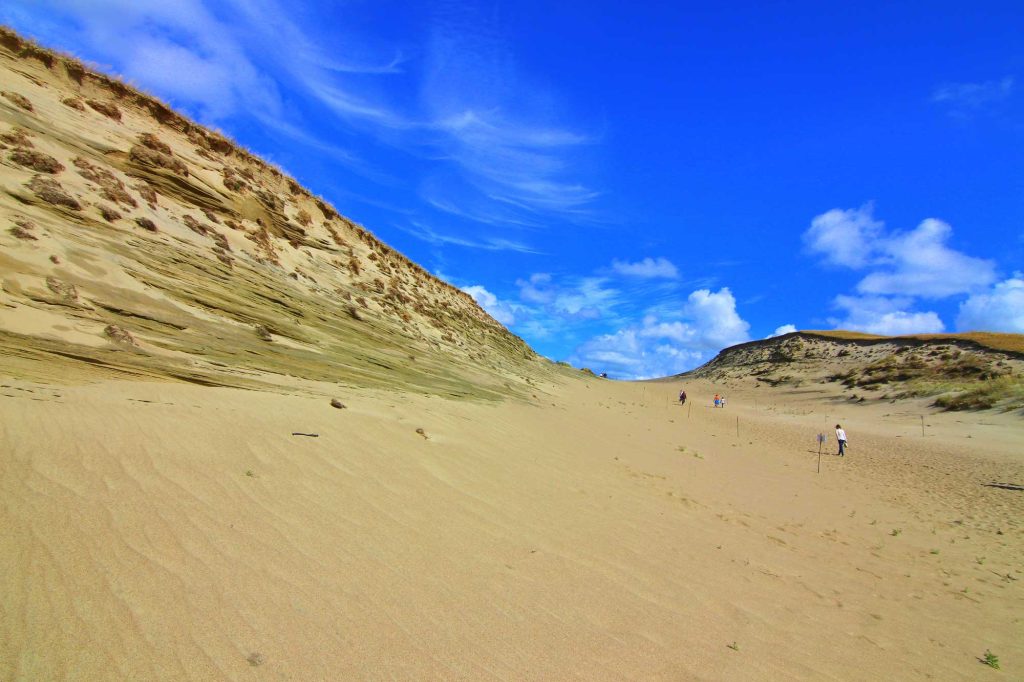
We weren’t walking on the sand; we were drifting above it. In Lithuania, if you aren’t looking at the landscape from a hot air balloon, you aren’t really seeing it. Below us, the Curonian Spit stretched out like a skinny finger of sand separating the lagoon from the Baltic Sea. From this perspective, the massive dunes looked like a Sahara that had taken a wrong turn and ended up in the North.
“The sand ate the villages,” Vytautas added with the casual tone most people use to describe a minor traffic jam.
Vytautas, named like approximately 40% of the male population, after Vytautas the Great, the 15th-century Duke who stretched Lithuania’s borders until they hit the Black Sea, was our pilot and amateur historian. He possessed that specific Lithuanian trait: a deep, unshakeable national pride served with a side of dry, self-deprecating humour.
Once we landed (safely, near a pine forest populated by wooden creatures from folk legends), the “Grand Duchy” energy continued. We swapped the balloon for a car and headed into Samogitia. This is a place where the locals don’t just have a dialect; they have a linguistic fortress. Lithuanian is already one of the oldest, most archaic languages on Earth, basically Sanskrit’s cool European cousin, but the Samogitians decided even that wasn’t exclusive enough.
Also, a meal in Samogitia is rather like a high-stakes cultural interrogation. The traditional sour-cream “white butter” is so rich and velvety it could probably negotiate its own peace treaty. But then, there is Cibulynė, which clearly separates the tourists from the travellers. It involves a herring being wrapped in a local newspaper and fried to “mature” the taste, and then crushed into a cold, onion-heavy broth. It looks and smells like a dare from a pagan god. It is, quite literally, an acquired taste that requires a brave soul and a very large spoon. In Samogitia, you don’t just eat; you survive the menu and emerge with a story worth telling.
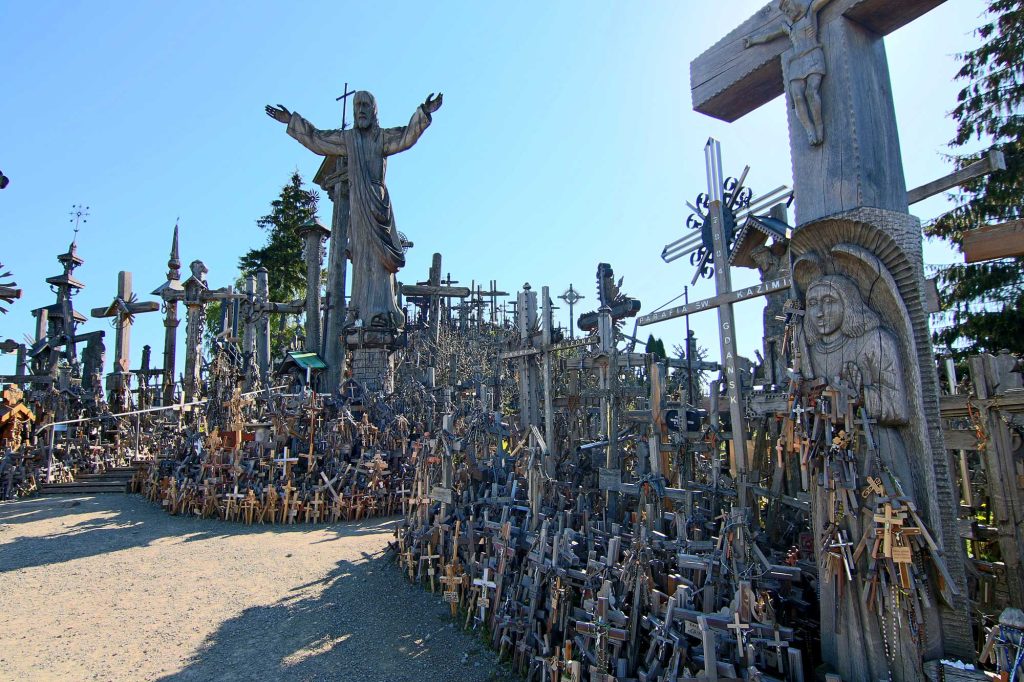
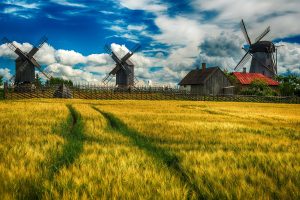
Driving through Lithuania is a masterclass in calm. The roads are excellent, the fields are impossibly green, and every thirty minutes you pass something that makes no sense: a Japanese garden in the middle of a forest, a Soviet-themed park, or a futuristic observation tower that looks like a spaceship landed in a swamp.
Between updates on the national basketball score (which is a secular religion here) and discussions on Lithuania’s world-leading fibre-optic speeds, Vytautas summarized the national philosophy:
“We have the most public holidays in Europe,” he said, pointing at a sleepy, picturesque village. “Because when your history is a 700-year rollercoaster, you learn to appreciate a good Tuesday off.”
Be like Vytautas. Look at the world from above. You can do it best in Lithuania.